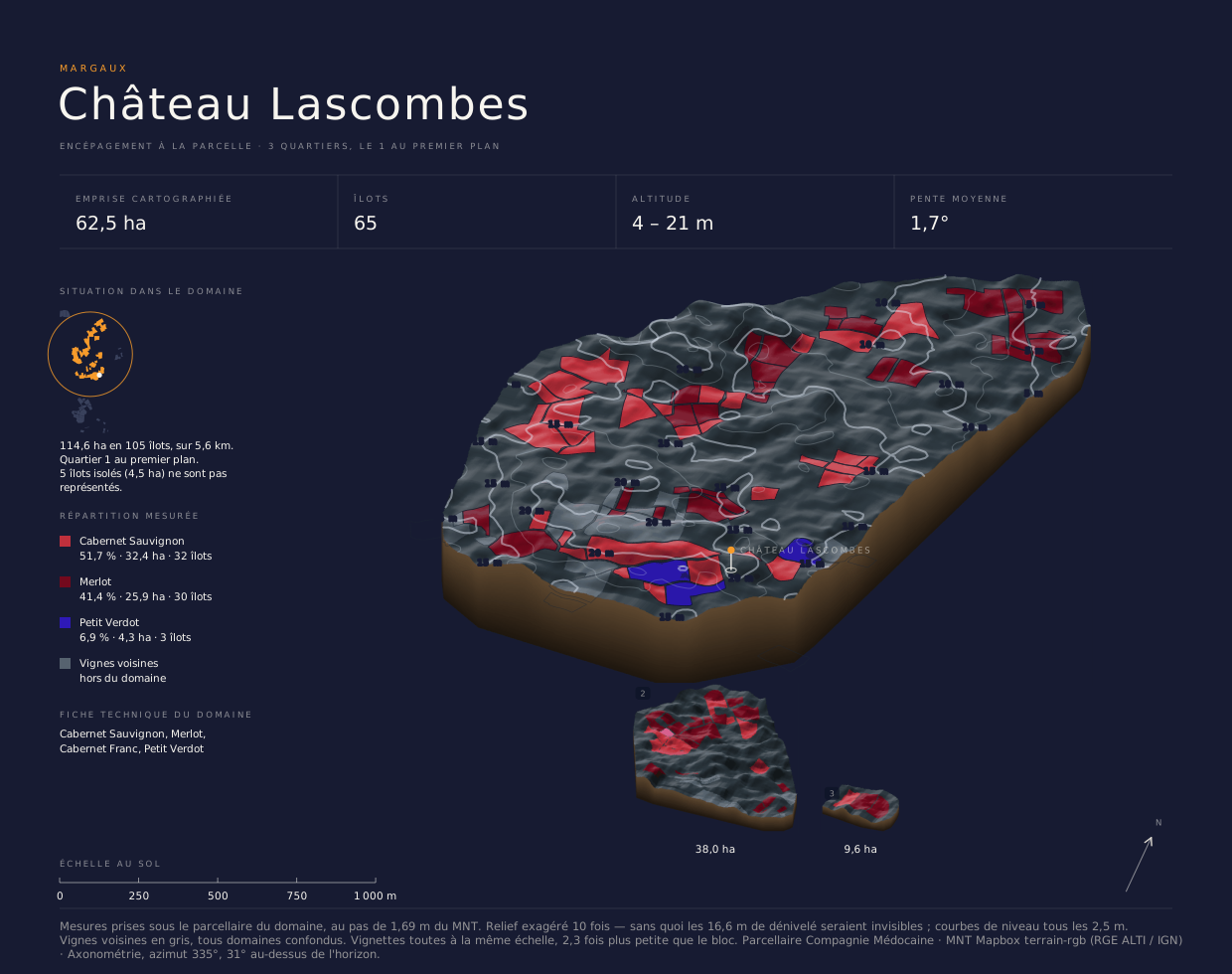
Area under vine at the estate, from its technical sheet — it does not change from one vintage to the next. Each vintage’s blend, by contrast, departs from it: that figures on its own page. The estate does not publish the share of each grape variety: they are listed without proportions.
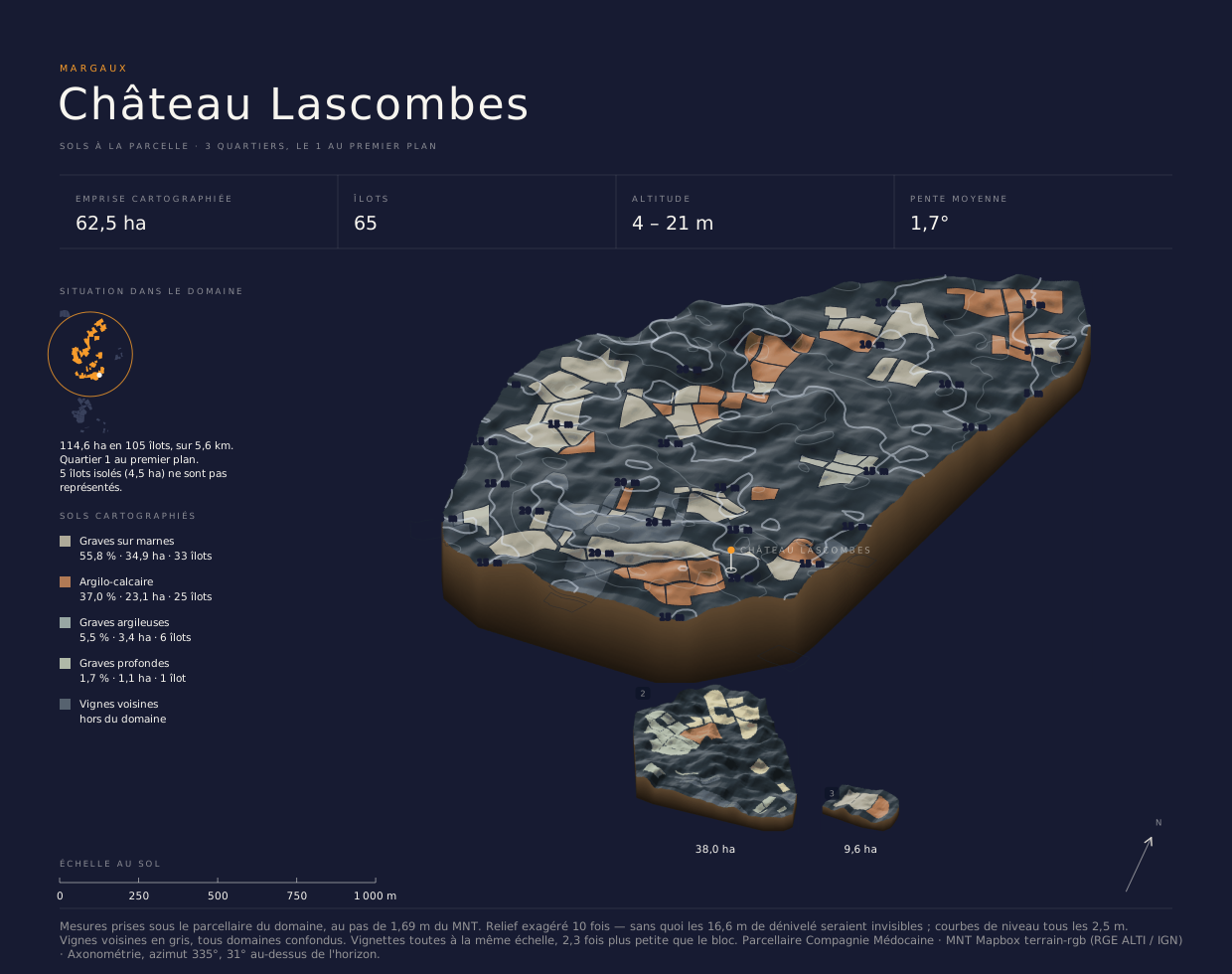
In the 3D view: drag to rotate, scroll to zoom, Shift+drag to pan, double-click to reset.
Footprint, parcels and their split are measured on the Compagnie Médocaine’s own parcel survey; elevation, slope and aspect on the Mapbox terrain-rgb digital terrain model, derived from IGN’s RGE ALTI over France. Compare with the blend on the technical sheet, at the top of the page: the two answer different questions.
Why buy it
The Margaux mosaic in a single estateOne hundred and twenty hectares split across three major soil types, studied plot by plot.
Second Grand Cru Classé in 1855A restructuring built around cabernet sauvignon, on old vines that reach up to seventy years old.
97/100 from Jeb Dunnuck in 2025Ten vintages at 95 or above since 2012, never below 94 since 2009.
Massal selection on the old vinesTwenty-five hectolitres per hectare, malolactic fermentation in barrel, 60% new oak.
The wine
On the historic parcels of the terroir, a restructuring is under way centred on Cabernet Sauvignon, the emblematic variety of the Médoc.
The rare heritage of old vines available here - up to 70 years old - provides prime material for massal selection.
Expressing typicity also means revealing the incomparable mosaic of Margaux terroirs, the signature of the complexity of its wines, of which the Lascombes vineyard is perhaps the finest representative.
The means to that end: highly precise viticulture.
Terroir
The fragmented layout of the property offers an interesting diversity of soils, with three main types of terroir: clay-limestone and clay-gravel soils suited to Merlot, clay-gravel and gravel soils for Cabernet Sauvignon, and gravel for Petit Verdot. A soil survey has been carried out parcel by parcel. At once firm and unctuous, this is a wine of great character and great ageing potential, born to span decades. The generous proportion of Merlot in the blend also makes it very enjoyable in its early years.
Estate figures
120 haArea
2025 vintage figures
25 hl/haYield
Alcohol, yield and vine age are those of the 2025 vintage; they vary from year to year. Only the area above stays stable from one vintage to the next.
“Best score”: the highest score recorded for this wine, with its source. “Character”: the overall reading of the year across the appellation, which an estate may depart from.
Other cuvées from the estate
Chevalier de LascombesRouge · 1 vintage (2018–2018)
The texts below copy in one click for your product sheets, catalogues and social channels. The printable sheet condenses the whole page onto a single A4 page.
For this vintage, the media library contains: packshots, labels. High-definition packshots, labels, back labels and lifestyle photos are reserved for clients and partners, on the Compagnie Médocaine’s VinCod media library.
Sheet checked on September 21, 2026. Technical data: the estate’s VinCod sheets. Critic scores: sources cited above, with their date. Vintage benchmarks and character: Compagnie Médocaine’s own editorial read. Soils and relief, where shown: the Compagnie Médocaine’s parcel survey and the Mapbox/IGN terrain model.

 Château Brane Cantenac
 Château Durfort Vivens
 Château d'Issan
 Château Marquis de Terme
 Château du Tertre
 Château Giscours
 Château Rauzan-Ségla
 Château Kirwan