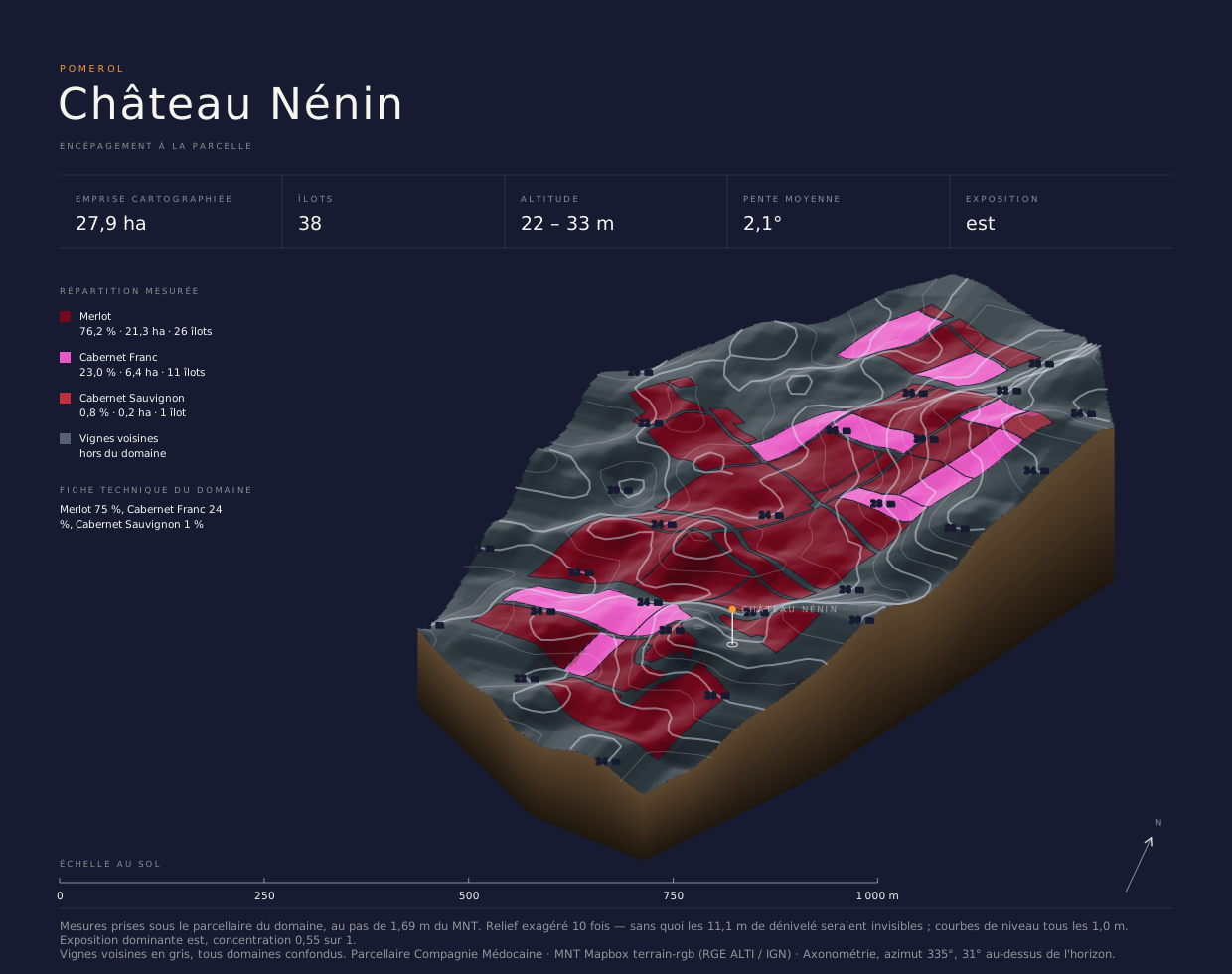
Area under vine at the estate, from its technical sheet — it does not change from one vintage to the next. Each vintage’s blend, by contrast, departs from it: that figures on its own page.
In the 3D view: drag to rotate, scroll to zoom, Shift+drag to pan, double-click to reset.
Footprint, parcels and their split are measured on the Compagnie Médocaine’s own parcel survey; elevation, slope and aspect on the Mapbox terrain-rgb digital terrain model, derived from IGN’s RGE ALTI over France. Compare with the blend on the technical sheet, at the top of the page: the two answer different questions.
Why buy it
Taken over by the Delon family in 1997Jean-Hubert Delon, of Léoville Las Cases, bought the cru from his cousins and launched a complete overhaul: drainage, replanting, a new vat room and new cellars.
The Pomerol plateau, clay and gravelThe top of the plateau gives power, the gravelly slopes give freshness: the mosaic balances the wine on its own.
97/100 from Jeb Dunnuck in 2025Seven vintages at 95 or above since 2010, never below 93 since 2009.
Fifteen hectares, fifty thousand bottlesTwelve months of ageing with 45% new oak, for a cellaring potential of ten to fifteen years.
The wine
On the eve of the 1997 harvest, Jean-Hubert DELON bought Château Nénin, until then owned by his cousins, the DESPUJOL family, who had held it since 1847. From that purchase onwards, a thorough restructuring was undertaken. Pruning and trellising were revised, the terroir drained, the vines interplanted or grubbed up, and the equipment modernised. The ageing and storage cellars were entirely refitted, enlarged and temperature-controlled. A new vat room, fitted with the most advanced equipment, was built to crown the complete transformation of the property.
Terroir
Situated on the Pomerol plateau, Château Nénin benefits from an emblematic terroir combining deep gravels, clays and iron-rich soils, characteristic of the great wines of the appellation. The mosaic of parcels, spread between the deep clays at the top of the plateau and more gravelly slopes, offers a natural balance between power, freshness and tannic finesse. This terroir allows Merlot to express all its depth and velvety texture, while Cabernet Franc and Cabernet Sauvignon bring structure, tension and aromatic complexity. These different expressions of the vineyard encourage slow, even ripening of the grapes, giving rise to wines that are precise, elegant and endowed with great ageing potential.
Estate figures
15 haArea
2025 vintage figures
50,000 bottlesProduction
Alcohol, yield and vine age are those of the 2025 vintage; they vary from year to year. Only the area above stays stable from one vintage to the next.
“Best score”: the highest score recorded for this wine, with its source. “Character”: the overall reading of the year across the appellation, which an estate may depart from.
The texts below copy in one click for your product sheets, catalogues and social channels. The printable sheet condenses the whole page onto a single A4 page.
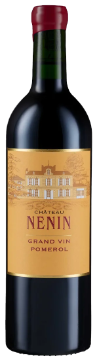
For this vintage, the media library contains: packshots, labels. High-definition packshots, labels, back labels and lifestyle photos are reserved for clients and partners, on the Compagnie Médocaine’s VinCod media library.
Sheet checked on September 21, 2026. Technical data: the estate’s VinCod sheets. Critic scores: sources cited above, with their date. Vintage benchmarks and character: Compagnie Médocaine’s own editorial read. Soils and relief, where shown: the Compagnie Médocaine’s parcel survey and the Mapbox/IGN terrain model.


 Château Beauregard
 Château Petit-Village
 Château La Conseillante
 Château L'Évangile
 Château Gazin