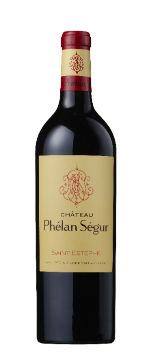
Saint-Estèphe · vintage 2009
Château Phélan Ségur 2009
Ageing potential20+ years
 Grands crus atlas
Ageing potential20+ years
Vintage benchmark: 98/100 (appellation benchmark, not a score for this wine)
Vintage character: A sun-drenched season from start to finish gave opulent, fleshy wines, immediately appealing yet built for the cellar.
Overall reading of the year’s season across Saint-Estèphe. An estate can depart from it sharply, in frost or hail years, where two neighbours did not make the same vintage. What this particular wine actually gave is on its technical sheet and in the scores above.
Black cherry color. The first nose reveals a concentrated, complex and intense fruitiness of black fruits. Aeration offers fresh floral scents of violet and patchouli on a slightly toasted and smoky background. The palate is soft and rich at the same time, revealing a fruity, generous and bright substance. The structure presents a perfect balance between intensity and finesse. A powerful vintage of rare elegance. Philippe Jamesse, head sommelier at Château les Crayères in Reims.
Shares for this vintage, as recorded on the 2009 technical sheet. The vineyard itself is planted with 58 % cabernet sauvignon, 39 % merlot, 1.5 % cabernet franc, 1.5 % petit verdot — a vintage blend departs from the area under vine as the year dictates.
Fermentation and vatting constitute the two main phases of winemaking. Quickly, the marc formed from the solids of the grapes (mainly the skins and seeds) occupies the upper third of the vat. It is essential to promote contact between these two elements during alcoholic fermentation.
16 months in oak barrels.
The terroir of Phélan Ségur, in the eastern part of the commune of Saint-Estèphe bordering the estuary, is made up of gravelly alluvium deposited when the Garonne was a torrential river 650,000 years ago. It consists of pebbles and above all of gravel coated in clayey sands. The varying thickness of these deposits is readily apparent, since it is what determines the rolling landscape of much of the Saint-Estèphe area. The alluvial layers rest on a marine formation of limestone dating from the period when the tip of the Médoc, close to the ocean, lay beneath the sea.
Availability, allocations and terms: the Compagnie Médocaine will reply promptly. The estate and vintage are already filled in in the message.
The texts below copy in one click for your product sheets, catalogues and social channels. The printable sheet condenses the whole page onto a single A4 page.
For this vintage, the media library contains: packshots, labels. High-definition packshots, labels, back labels and lifestyle photos are reserved for clients and partners, on the Compagnie Médocaine’s VinCod media library.
Sheet checked on September 21, 2026. Technical data: the estate’s VinCod sheets. Critic scores: sources cited above, with their date. Vintage benchmarks and character: Compagnie Médocaine’s own editorial read. Soils and relief, where shown: the Compagnie Médocaine’s parcel survey and the Mapbox/IGN terrain model.