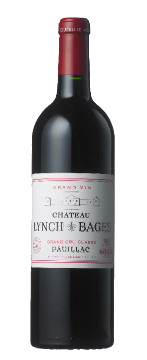
Pauillac · vintage 2010
Château Lynch-Bages 2010
Ageing potential20+ years
 Grands crus atlas
Ageing potential20+ years
Vintage benchmark: 99/100 (appellation benchmark, not a score for this wine)
Vintage character: A dry summer and cool nights concentrated small berries: a benchmark vintage, with dense tannins and a thirty-year aging potential.
Overall reading of the year’s season across Pauillac. An estate can depart from it sharply, in frost or hail years, where two neighbours did not make the same vintage. What this particular wine actually gave is on its technical sheet and in the scores above.
Château Lynch-Bages 2010 brings together all the characteristics of a great vintage. It is still early to describe it precisely, but its deep color, its complexity, the generosity of its fruit, its freshness and the density of its tannins suggest a fantastic ageing potential.
Shares for this vintage, as recorded on the 2010 technical sheet. The vineyard itself is planted with cabernet sauvignon, merlot, cabernet franc, petit verdot, sauvignon blanc, sémillon, muscadelle — a vintage blend departs from the area under vine as the year dictates.
Vinification is precisely adapted to the terroir and the characteristics of each vintage. A vast vat room of 35 vats of different sizes allows the separate processing of each plot or each homogeneous batch of grapes. Once the vats are filled, a specific vinification program is applied to each, designed to extract the best color and aromas from the fruit. This program is made up of diversified, perfectly defined operations, which depend on the specificities of the batches of grapes concerned and the character of the vintage. The macerations are long and spread over more than three weeks. Run-off and devatting are carried out by favoring the gentlest processes, and in particular gravity which makes it possible to avoid unnecessary pumping. The malolactic fermentation phase is carried out for one third in barrels and two thirds in vats.
In French oak barrels for 15 months, 75% of which are new barrels.
Extending over some 100 hectares in the commune of Pauillac, the Lynch-Bages vineyard lies entirely on the soil favoured by the great growths, formed along the estuary by the gravel alluvium of the Médoc. The property occupies the well-defined rises to the south and south-west of the town. The soils of Lynch-Bages are homogeneous, consisting essentially of Günz-era Garonne gravels (early Quaternary) resulting from the slow erosion of the Pyrenees by the Garonne. Highly free-draining and low in silt, these soils of stones and sand store heat during the day and release it at night. Poor and of low fertility, they allow moderate vine growth and encourage deep rooting.
Availability, allocations and terms: the Compagnie Médocaine will reply promptly. The estate and vintage are already filled in in the message.
The texts below copy in one click for your product sheets, catalogues and social channels. The printable sheet condenses the whole page onto a single A4 page.
For this vintage, the media library contains: packshots, labels. High-definition packshots, labels, back labels and lifestyle photos are reserved for clients and partners, on the Compagnie Médocaine’s VinCod media library.
Sheet checked on September 21, 2026. Technical data: the estate’s VinCod sheets. Critic scores: sources cited above, with their date. Vintage benchmarks and character: Compagnie Médocaine’s own editorial read. Soils and relief, where shown: the Compagnie Médocaine’s parcel survey and the Mapbox/IGN terrain model.