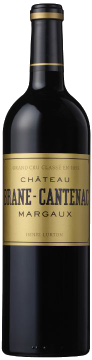
Margaux · vintage 2003
Château Brane Cantenac 2003
Ageing potential20+ years
 Grands crus atlas
Ageing potential20+ years
Vintage benchmark: 88/100 (appellation benchmark, not a score for this wine)
Vintage character: The historic heatwave halted ripening in young vines: very ripe, low-acid wines, at their best in Saint-Estèphe, where the clays held on to freshness.
Overall reading of the year’s season across Margaux. An estate can depart from it sharply, in frost or hail years, where two neighbours did not make the same vintage. What this particular wine actually gave is on its technical sheet and in the scores above.
Dark garnet color with purple reflections. Complex nose dominated by vanilla and toasted character. Aeration reveals notes of black fruits (blackberries, morello cherry and raspberry), spices (pepper), and blond tobacco. Round attack, evolving into fleshy tannins. The structure is well balanced and the long finish is very aromatic. Although still very young to assess, its peak is estimated at 8-25 years old.
Shares for this vintage, as recorded on the 2003 technical sheet. The vineyard itself is planted with cabernet sauvignon, merlot, petit verdot, cabernet franc, carménère — a vintage blend departs from the area under vine as the year dictates.
The harvest for the great Merlots began on September 18 under the sun after the rains of the previous week. A slight dilution was corrected by bleeding the tanks by 10 to 15%. The Cabernet harvest took place later from September 25 to October 6; the great cabernets at optimal ripeness the weekend of October 1st… before the rain. Aged for 18 months in barrels (60% of which are new).
18 months in oak, including 60 to 70% new barrels
Historically recognised as one of the greatest in the Médoc, the terroir of Brane long earned the property the description of first of the seconds. The heart of the property is a 45-hectare block, unchanged for three centuries. The very deep gravel (12 m) has a high clay content. It ensures a sufficient water reserve throughout the year while its compactness limits the amount of water the plant takes up. The water table is very deep here (5 to 6 m), allowing the roots to develop deep down. The upper layers of the soil, sandier, tend to saturate quickly during heavy rain. Much of the water then runs off, thanks to the topography.
Availability, allocations and terms: the Compagnie Médocaine will reply promptly. The estate and vintage are already filled in in the message.
The texts below copy in one click for your product sheets, catalogues and social channels. The printable sheet condenses the whole page onto a single A4 page.
For this vintage, the media library contains: packshots. High-definition packshots, labels, back labels and lifestyle photos are reserved for clients and partners, on the Compagnie Médocaine’s VinCod media library.
Sheet checked on September 21, 2026. Technical data: the estate’s VinCod sheets. Critic scores: sources cited above, with their date. Vintage benchmarks and character: Compagnie Médocaine’s own editorial read. Soils and relief, where shown: the Compagnie Médocaine’s parcel survey and the Mapbox/IGN terrain model.