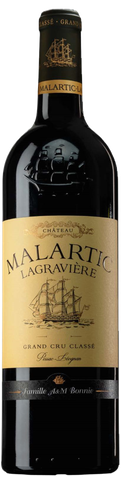
Pessac-Léognan · vintage 2024
 Grands crus atlas
Vintage benchmark: 87/100 (appellation benchmark, not a score for this wine)
Vintage character: A rainy spring and a difficult flowering reduced the crop; the dry October saved fine, light, easy-drinking wines.
Overall reading of the year’s season across Pessac-Léognan. An estate can depart from it sharply, in frost or hail years, where two neighbours did not make the same vintage. What this particular wine actually gave is on its technical sheet and in the scores above.
"s
out with classic blackberries and red
currant notes plus hints of pencil
shavings, fragrant earth, and
Sichuan pepper. The light to
medium-bodied palate is lightly
chewy and refreshing with red berry
and herbal flavors leading to a
savory finish.
Lefigaro.fr – Ella Lister / Béatrice
Delamotte – May 2025
91.5
Smoky white pepper mingles with
ripe red fruit in a generous, refined
nose, fairly
warm. The wine reveals itself as fine,
elegant, finely chiselled on the palate, with
delicate fruit and shyly generous
notes on the finish" - Le Figaro
Shares for this vintage, as recorded on the 2024 technical sheet. The vineyard itself is planted with merlot, cabernet sauvignon, cabernet franc, petit verdot — a vintage blend departs from the area under vine as the year dictates.
Small truncated-cone wooden vats, temperature-
controlled double-walled stainless steel tanks
Early blending, traditional ageing
on fine lees in French oak barrels, 50% new
oak.
Château Malartic-Lagravière lies on a high terrace deeply cut by the Eau Blanche stream and its tributaries. It is formed, to a depth of 8 metres, of gravel islets dating from the Quaternary era. While the gravel layer provides excellent drainage at the surface, the subsoil of shelly limestone, made up of fossils from warm seas, together with veins of clay, retains a substantial water reserve. This ensures a perfect water supply to the vine, even in the most severe droughts. A highly permeable soil, optimal sunshine and reduced sensitivity to climatic variation are all eminently favourable factors.
Availability, allocations and terms: the Compagnie Médocaine will reply promptly. The estate and vintage are already filled in in the message.
The texts below copy in one click for your product sheets, catalogues and social channels. The printable sheet condenses the whole page onto a single A4 page.
For this vintage, the media library contains: packshots. High-definition packshots, labels, back labels and lifestyle photos are reserved for clients and partners, on the Compagnie Médocaine’s VinCod media library.
Sheet checked on September 21, 2026. Technical data: the estate’s VinCod sheets. Critic scores: sources cited above, with their date. Vintage benchmarks and character: Compagnie Médocaine’s own editorial read. Soils and relief, where shown: the Compagnie Médocaine’s parcel survey and the Mapbox/IGN terrain model.