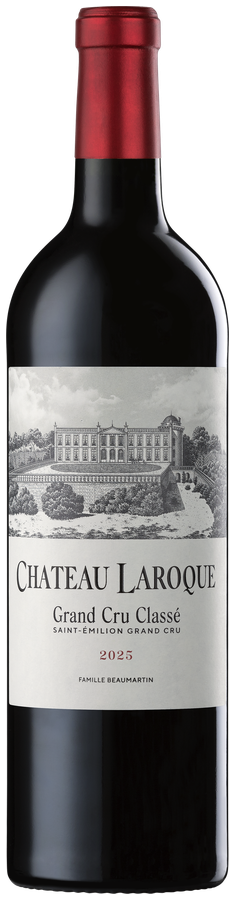
Saint-Émilion · vintage 2016
 Grands crus atlas
Vintage benchmark: 96/100 (appellation benchmark, not a score for this wine)
Vintage character: A dry summer on full water reserves gave fresh, deep wines, magical on the asteria limestone.
Overall reading of the year’s season across Saint-Émilion. An estate can depart from it sharply, in frost or hail years, where two neighbours did not make the same vintage. What this particular wine actually gave is on its technical sheet and in the scores above.
Breed, finesse, tension: a summary of the vintage on the limestone plateau. 95% Merlot, a brilliant variety this year.
The early harmony of the pulp and the straightness of the tannic axis are indeed on brilliant display. In the geography of Saint-Émilion taste, the finesse and the delicate, "limestone" flavour place this wine closer to the village than it actually is.
Manual harvest. Merlots picked on 13, 14 and from 17 to 22 October, Cabernets on 22 October. Yield of 48 hl/ha; 47% of the grapes and juices selected for the grand vin. Bottled from 2 to 6 July 2018.
Shares for this vintage, as recorded on the 2016 technical sheet. The vineyard itself is planted with 99 % merlot, 1 % cabernet franc — a vintage blend departs from the area under vine as the year dictates.
Whole-berry vatting by gravity. Plot-by-plot vinification in small concrete vats. Gentle mixed extraction by punching down and pumping over. Protective macerations (aroma preservation) aimed at more flesh and salinity.
Reductive ageing on fine lees, partly in barrels and partly in French and Austrian oak foudres (50% new wood): 1st racking after 4 to 6 months of ageing (before summer), 2nd one year later, before bottling.
Around the château there is a large area of outcropping limestone plateau, also found at Clos Fourtet or Château Canon, which gives chestnut-coloured clays. Further east lies a mantle of red clays, Agenais molasse similar to that of Pavie-Macquin or Troplong-Mondot. The clay terraces to the east and the west-facing slopes are made up of the Fronsadais molasse that has made the reputation of Ausone or Tertre-Roteboeuf. A thin part of the plain vineyard, whose wines do not go into the grand vin of Laroque, consists of brown soils resulting from the erosion of the limestone ridge tops.
Availability, allocations and terms: the Compagnie Médocaine will reply promptly. The estate and vintage are already filled in in the message.
The texts below copy in one click for your product sheets, catalogues and social channels. The printable sheet condenses the whole page onto a single A4 page.
This wine’s visuals are grouped in the media library. High-definition packshots, labels, back labels and lifestyle photos are reserved for clients and partners, on the Compagnie Médocaine’s VinCod media library.