
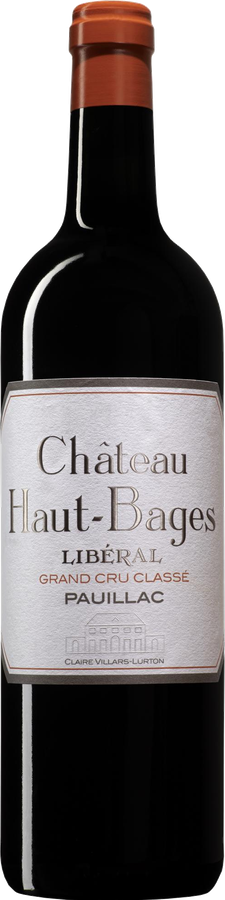
The 2019 vintage in Pauillac
Vintage benchmark: 96/100 (appellation benchmark, not a score for this wine)
Vintage character: A hot end of summer after a rainy spring gave wines that hold ripeness and freshness together; the cabernets shine here.
Overall reading of the year’s season across Pauillac. An estate can depart from it sharply, in frost or hail years, where two neighbours did not make the same vintage. What this particular wine actually gave is on its technical sheet and in the scores above.
The vintage
January was the only cold month of winter, while February experienced mild temperatures, perhaps the highest in the past 20 years.
Cool spring temperatures have slowed the mineralization of organic matter in the soil. The vines buded early but grew slowly. These conditions were also not favorable to flowering, aggravated by significant rainfall. On the other hand, the freshness helped contain the virulence of downy mildew.
The first day of summer marked a meteorological turning point and led to a hot and dry summer. There have been several heat waves with a risk of water deficit. Fortunately, beneficial rains accelerated veraison and maintained phenological homogeneity. The night temperatures in August were below average and favored the early development of the aromatic palette of the grapes and a particularly high anthocyanin loading.
The harvested grapes had mature maturity. Alcohol levels are slightly above average. There is a good acid balance and a tannic and aromatic richness which is very interesting for the taste balance of the wine.
The basic agronomic work in biodynamics carried out on the vineyards to optimize the balance of the vines and the buffering capacity of the soils is fundamental for the proper management of the hottest and driest episodes of summer.
The wines in 2019 will be ripe, rich and powerful, everything you need to appreciate them young or let them age.
Blend of the 2019 vintage
- 80 % Cabernet-sauvignon
- 20 % Merlot
Shares for this vintage, as recorded on the 2019 technical sheet. The vineyard itself is planted with cabernet sauvignon, merlot, petit verdot, cabernet franc — a vintage blend departs from the area under vine as the year dictates.
Winemaking
Traditional in concrete vats. Plot selection.
Ageing
40% of new French oak. 16 months of ageing.
Terroir
The vineyard covers 30 hectares, half of which are located around the property, adjoining Château Latour. The other part of the vineyard is on the Bages plateau, in the south of Pauillac. The estate's plots are located in 2 areas, one made up of deep gravels and the other of clay-limestone and chalky limestone. This type of soil gives the wine its power and its mineral character. A large part of its fine deep-gravel land overlooks the Gironde estuary. These gravels were carried down by the river from the Pyrenees during the Quaternary era. They rest on a limestone bedrock.
An offer on Château Haut-Bages Libéral 2019
Availability, allocations and terms: the Compagnie Médocaine will reply promptly. The estate and vintage are already filled in in the message.
Texts and documents 2019
The texts below copy in one click for your product sheets, catalogues and social channels. The printable sheet condenses the whole page onto a single A4 page.
Visuals
This wine’s visuals are grouped in the media library. High-definition packshots, labels, back labels and lifestyle photos are reserved for clients and partners, on the Compagnie Médocaine’s VinCod media library.