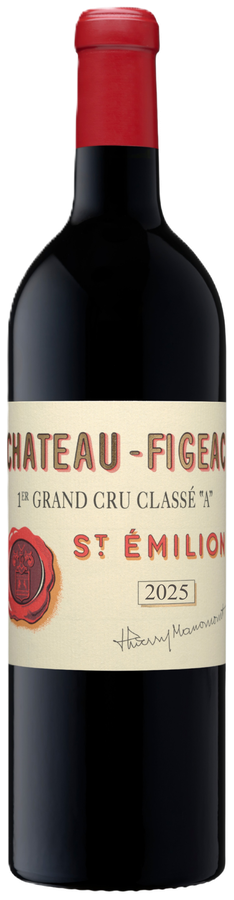
Saint-Émilion · vintage 2010
Château Figeac 2010
Ageing potential20 years and over
 Grands crus atlas
Ageing potential20 years and over
Vintage benchmark: 98/100 (appellation benchmark, not a score for this wine)
Vintage character: The dry summer and cool nights gave dense, tannic wines of extraordinary ageing potential — the exact opposite of 2009.
Overall reading of the year’s season across Saint-Émilion. An estate can depart from it sharply, in frost or hail years, where two neighbours did not make the same vintage. What this particular wine actually gave is on its technical sheet and in the scores above.
A harmonious, elegant wine, well balanced from its youth, with an ageing potential among the greatest of the great Bordeaux wines. Figeac reveals its complexity over time, offers a rich palette of sensations and always stirs great emotion.
Heavy rainfall at the end of 2009 topped up the water tables before a period of very dry and cold weather set in during the winter of 2010. Bud-break occurred in the vineyards at the beginning of April, as it did in the 2009 vintage. Cool weather made shooting slow but homogeneous. Flowering began on May 24 for the Merlot and the Cabernet Sauvignon, and May 29 for the Cabernet Franc. Adverse weather conditions in June meant careful vine monitoring was required, while fruit-setting was slow to reach completeness. Then fine weather with very low rainfall set in, helping the berries to develop more concentration. In July and August, diurnal temperatures varied by as much as 15 degrees, bringing about excellent polyphenol synthesis. Veraison set in quite quickly, while the stop in vine growth coincided perfectly with it.
Hand-harvested, with an optical sorting line used in 2010 to perfect the elimination of imperfect berries: Merlot from September 27 to October 1st, Cabernet Franc from October 7 to 18, Cabernet Sauvignon from October 5 to 18.
Vinification: the main extraction was done at the beginning of the fermentation. The pigeages (punching down of the cap) were adapted to the individual character of each plot. The typical Figeac technique of macerating with the cap of skins plunged below the surface of the wine in wooden vats led to a natural infusion and a lovely softening of the tannins. The malolactic fermentations finished before Christmas.
Shares for this vintage, as recorded on the 2010 technical sheet. The vineyard itself is planted with 38 % merlot, 30 % cabernet franc, 32 % cabernet sauvignon — a vintage blend departs from the area under vine as the year dictates.
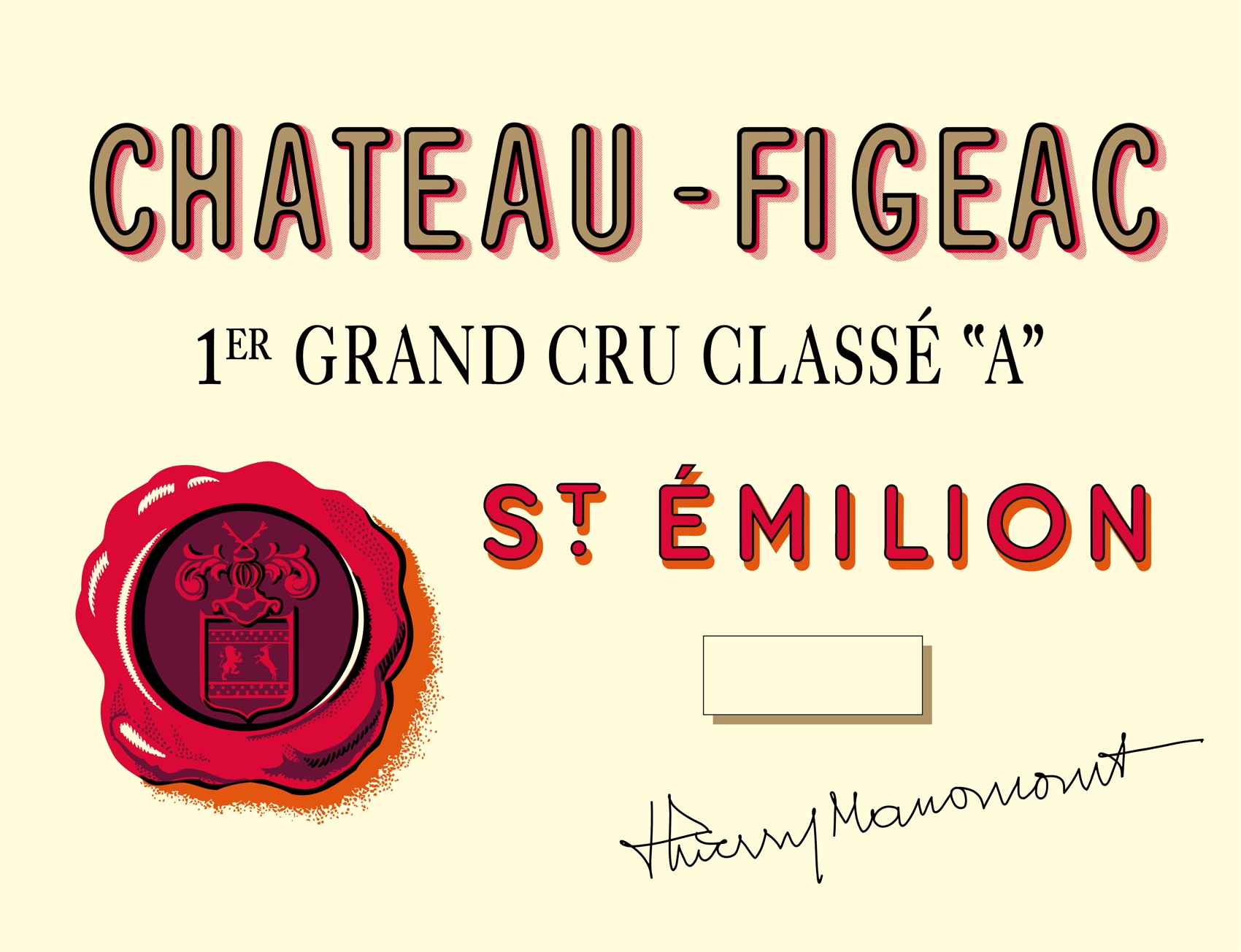
From the mid-1940s, Figeac adopted the Swiss technique of triggering malolactic fermentation immediately after alcoholic fermentation.
Figeac has 2 barrel cellars, with 100% new barrels since the mid-1960s.
Figeac is the largest estate in Saint-Emilion, covering 54 hectares. Alongside its 40 hectares of vines, the variety of its landscape contributes to what is now called a natural balance, or "biodiversity". Figeac has large open spaces that add to the majesty of the place and allow wildlife and flora to thrive. Figeac has received a true gift from nature: an enviable Bordeaux climate, an exceptional relief made up of 3 fine gravel mounds, and a soil reputed to hold the largest gravels of the area. This magnificent terroir is the basis for the estate's ranking among the Premiers Grands Crus of Saint-Emilion.
Availability, allocations and terms: the Compagnie Médocaine will reply promptly. The estate and vintage are already filled in in the message.
The texts below copy in one click for your product sheets, catalogues and social channels. The printable sheet condenses the whole page onto a single A4 page.
This wine’s visuals are grouped in the media library. High-definition packshots, labels, back labels and lifestyle photos are reserved for clients and partners, on the Compagnie Médocaine’s VinCod media library.