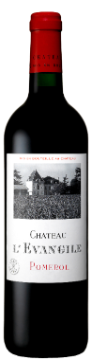
Pomerol · vintage 2010
Château L'Évangile 2010
Ageing potential20 years and beyond
 Grands crus atlas
Ageing potential20 years and beyond
Vintage benchmark: 98/100 (appellation benchmark, not a score for this wine)
Vintage character: The dry summer and cool nights gave dense, tannic wines of extraordinary ageing potential — the exact opposite of 2009.
Overall reading of the year’s season across Pomerol. An estate can depart from it sharply, in frost or hail years, where two neighbours did not make the same vintage. What this particular wine actually gave is on its technical sheet and in the scores above.
A dark, black color with violet highlights. A dense, persistent, expressive nose, very ripe, concentrated, with notes of morello cherry, raspberry and mocha. The attack is powerful, concentrated, with very ripe tannins of great density. The palate is mature, rich and concentrated, with a very silky finish well grounded by a beautiful freshness.
Shares for this vintage, as recorded on the 2010 technical sheet. The vineyard itself is planted with merlot, cabernet franc, cabernet sauvignon — a vintage blend departs from the area under vine as the year dictates.
A close association of tradition and modern winemaking methods guides every operation in the cellar. Fermentation in vat is carried out according to the classic method of pump-overs and controlled macerations (with frequent tastings).
Once fermentation is complete, the wine is placed in oak casks where it is aged for 18 months.
It is through one of those mysteries of geology that, in the south-east of the Pomerol plateau, a curious accident brings a long seam of gravel to the surface. Three vineyards, l’Évangile among them, share this rare soil. The estate does indeed occupy a wholly privileged position: it is bordered to the north by the vines of Château Pétrus and is separated to the south from Cheval Blanc in Saint-Émilion only by a minor road. The area covers 16 hectares of sandy-clay soil with pure gravels and a subsoil marked by crasse de fer (iron pan). The grape varieties grown are Merlot (80%), which brings fruit, body and flesh and gives the wine its inimitable suppleness, and Bouchet, the local name for Cabernet Franc (20%), for finesse and structure.
Availability, allocations and terms: the Compagnie Médocaine will reply promptly. The estate and vintage are already filled in in the message.
The texts below copy in one click for your product sheets, catalogues and social channels. The printable sheet condenses the whole page onto a single A4 page.
For this vintage, the media library contains: packshots, labels, back labels. High-definition packshots, labels, back labels and lifestyle photos are reserved for clients and partners, on the Compagnie Médocaine’s VinCod media library.
Sheet checked on September 21, 2026. Technical data: the estate’s VinCod sheets. Critic scores: sources cited above, with their date. Vintage benchmarks and character: Compagnie Médocaine’s own editorial read. Soils and relief, where shown: the Compagnie Médocaine’s parcel survey and the Mapbox/IGN terrain model.